From the ice to the equator
Every wild penguin lives in the Southern Hemisphere, but only a few live on the Antarctic continent itself.
Penguins are only found in the Southern Hemisphere. The biggest numbers are on Antarctic coasts and sub-Antarctic islands. Australian Antarctic Division: Penguins
Antarctica
Only five penguin species live on the Antarctic continent: Adélie, emperor, gentoo, chinstrap and macaroni penguins. Australian Antarctic Division: Adélie penguin
- Only five penguin species live on the Antarctic continent: Adélie, emperor, gentoo, chinstrap and macaroni penguins. Australian Antarctic Division: Adélie penguin
- The Smithsonian says only five penguin species ever set foot on the Antarctic continent, and only two, the Adélie and the emperor, live there exclusively. Smithsonian Ocean: Penguins
- The British Antarctic Survey counts 6 major Antarctic species, but says only two, the emperor and the Adélie, are truly native to the continent. Macaroni, chinstrap, gentoo and king penguins live on the warmer sub-Antarctic islands. British Antarctic Survey: Penguins
All three agree that only the emperor and the Adélie are truly Antarctic; they count the visitors differently. Every disagreement we found →
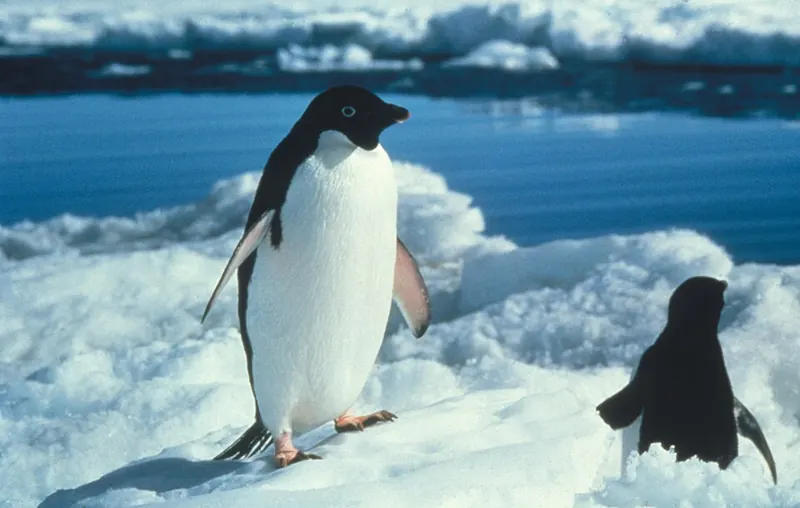
Adélie penguins walk on ice at about 2.5 km/h and swim at 4 to 8 km/h. They can also toboggan along on their bellies. Australian Antarctic Division: Adélie penguin Tracking shows Adélie penguins can swim more than 1,200 km away from their breeding site. Australian Antarctic Division: Adélie penguin
Sub-Antarctic islands
King penguins breed on many sub-Antarctic islands between 45° and 55° south. Australian Antarctic Division: King penguin Royal penguins are endemic to Macquarie Island, where the vast majority live, and the nearby Bishop and Clerk Islets, where about 1,000 pairs breed. Australian Antarctic Division: Royal penguin
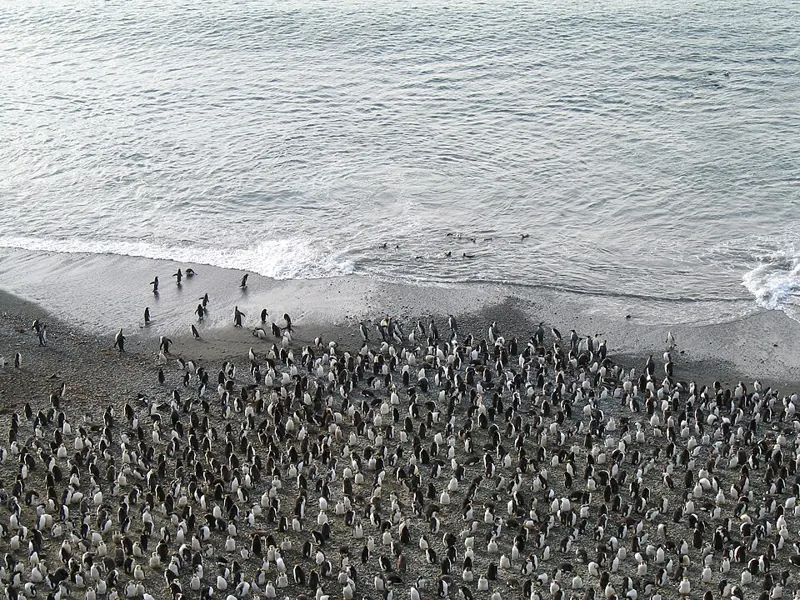
New Zealand
New Zealand has more penguin species on its shores than any other country. NZ Department of Conservation: Penguins Thirteen of the world’s 18 penguin species have been recorded in the New Zealand region, and nine of them breed there. NZ Department of Conservation: Penguins
There are two populations of hoiho: one on the South Island and Stewart Island/Rakiura, and one on the subantarctic Auckland and Campbell Islands. NZ Department of Conservation: Yellow-eyed penguin/hoiho
Warm places too
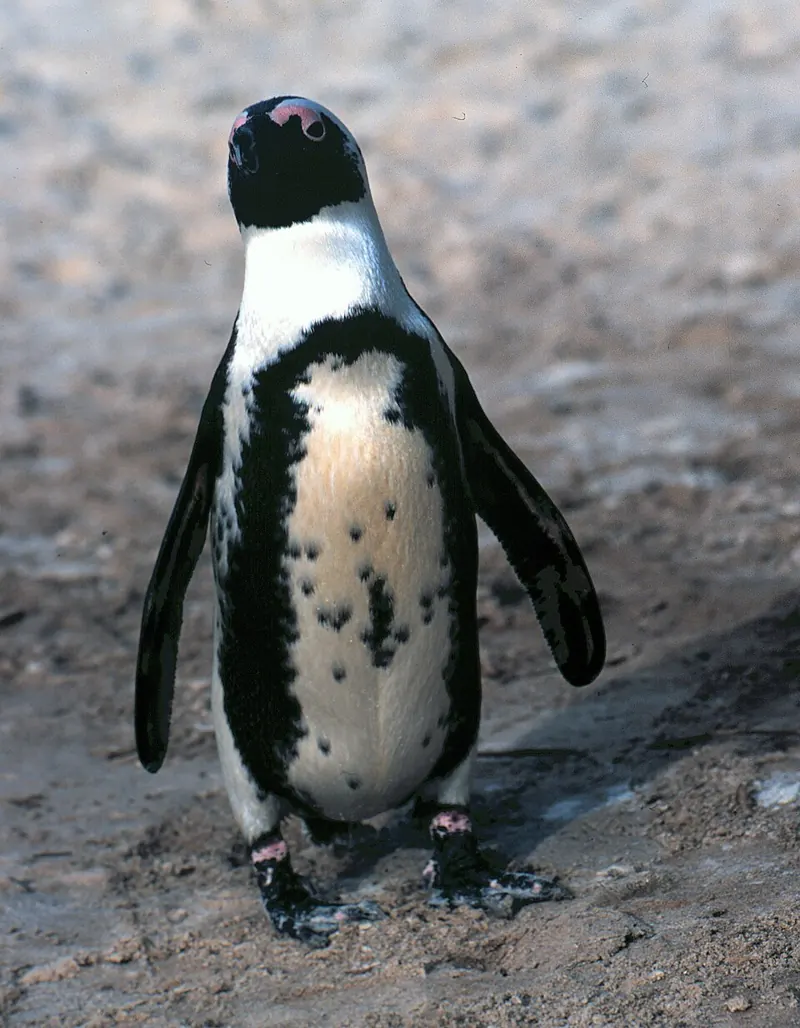
Galápagos penguins are the most northerly penguins, living on the Galápagos Islands on the equator. Smithsonian Ocean: Penguins The Humboldt penguin lives on the shores of the Atacama Desert in Chile and Peru, the driest desert in the world. Smithsonian Ocean: Penguins
All penguins keep a body temperature of around 38 °C, but they live anywhere from 32 °C on the Patagonian coast to −60 °C on Antarctic sea ice. Smithsonian Ocean: Penguins
What’s for dinner?
Penguin diets are mainly krill, squid and fish. Smithsonian Ocean: Penguins Penguins feed on small fish and krill, which they catch one at a time. Australian Antarctic Division: Penguins
One of the emperor’s most frequently eaten foods is the Antarctic silverfish. They also eat other fish, Antarctic krill and squid. Australian Antarctic Division: Emperor penguin King penguins mainly eat lantern fish, especially during the breeding season. Australian Antarctic Division: King penguin
Chinstrap penguins mainly eat krill and fish, and usually feed less than 40 metres down. Australian Antarctic Division: Chinstrap penguin
Who eats penguins?
Their main predators are leopard seals and killer whales. Skuas and sheathbills eat penguin eggs and chicks. Australian Antarctic Division: Penguins
Next: threats & the Red List →